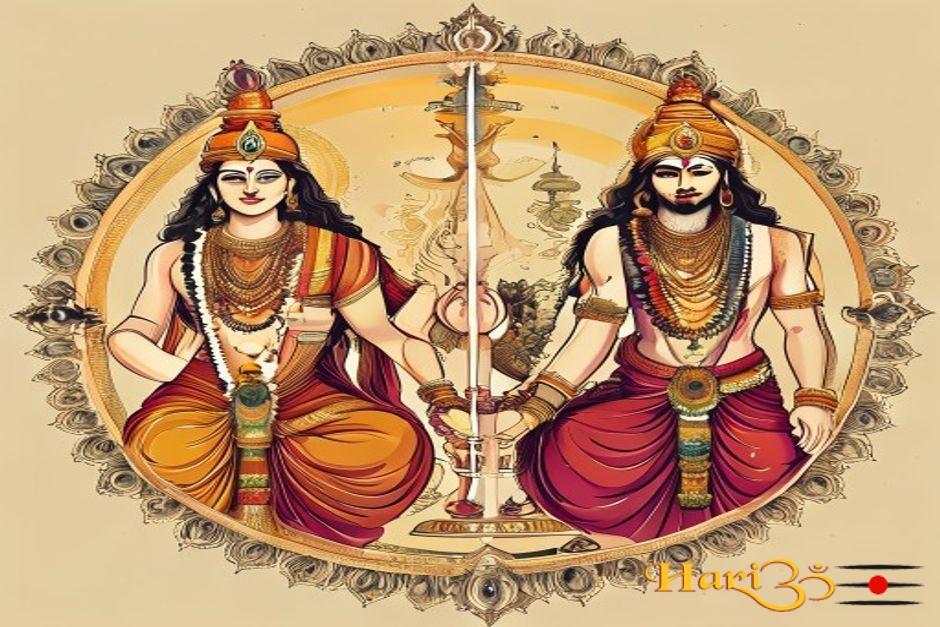
The Vedas are the sacred scriptures of Hinduism, considered to be the oldest and most authoritative texts of the faith. They are a collection of hymns, prayers, rituals, and philosophical discussions that have been passed down through generations. The four Vedas - Rigveda, Yajurveda, Samaveda, and Atharvaveda - are the primary sources of Hindu philosophy, spirituality, and culture.
Introduction to the Four Vedas
The word 'Veda' means knowledge or wisdom in Sanskrit. The Vedas are considered to be the breath of God, revealed to the ancient sages and seers of India. They are divided into four main categories, each with its own unique characteristics and emphasis. The four Vedas are:
Rigveda: The oldest of the four Vedas, containing 1,028 suktas (hymns) and 10,589 mantras (verses).
Yajurveda: Contains 1,975 suktas and 15,325 mantras, focusing on rituals and sacrifices.
Samaveda: Comprises 1,812 suktas and 12,296 mantras, emphasizing the importance of music and chanting.
Atharvaveda: The youngest of the four Vedas, containing 731 suktas and 6,077 mantras, dealing with magic, rituals, and spirituality.
Significance of the Four Vedas
The four Vedas are considered to be the foundation of Hinduism, providing insights into the nature of the universe, the role of humans, and the path to spiritual enlightenment. They contain teachings on various aspects of life, including:
Philosophy: The Vedas explore fundamental questions about the nature of reality, the universe, and human existence.
Spirituality: They provide guidance on spiritual practices, such as meditation, yoga, and self-discipline, to attain liberation and self-realization.
Rituals and Practices: The Vedas outline various rituals, ceremonies, and practices for daily life, including worship, sacrifice, and community service.
Culture and Ethics: They offer teachings on social norms, ethics, and values, shaping the moral fabric of Hindu society.
Conclusion
In conclusion, the four Vedas are the bedrock of Hinduism, offering a rich and diverse tapestry of spiritual, philosophical, and cultural knowledge. They continue to inspire and guide millions of people around the world, providing a deep understanding of the human condition and the path to enlightenment. By studying the four Vedas, one can gain a profound appreciation for the wisdom, traditions, and values of Hinduism, and cultivate a deeper sense of connection to the universe and its mysteries.
Impact of the Vedas on Hindu Society
The Vedas have had a profound impact on Hindu society, shaping its culture, traditions, and values. They have influenced the development of various aspects of Hindu life, including art, literature, music, and architecture. The Vedas have also played a significant role in shaping the social and moral fabric of Hindu society, providing guidance on issues such as family, community, and social responsibility.
The study of the Vedas has been a cornerstone of Hindu education and scholarship, with many institutions and centers of learning dedicated to their interpretation and dissemination. The Vedas have also been a source of inspiration for countless poets, philosophers, and spiritual leaders throughout Indian history, influencing the development of various schools of thought and spiritual traditions.
Relevance of the Vedas in Modern Times
Despite being ancient texts, the Vedas remain highly relevant in modern times, offering insights and guidance on a wide range of issues. Their teachings on environmental sustainability, social justice, and personal development are particularly pertinent in today's world. The Vedas also provide a framework for understanding the interconnectedness of all things, promoting a sense of unity and harmony among people and with the natural world.